Vape detectors are giving students their bathrooms back


Trusted by 100,000+ organizations globally
Vape detector technology is leading the way to help students and school administrators win the battle against vaping. Vape detectors, like the Halo Smart Sensor, accurately monitor the quality of air and detect dangerous vaping chemicals when present in school bathrooms and send notification alerts to assigned faculty members. They are an effective and affordable solution, and their visible presence acts as a deterrent. The public and school officials now recognize the need to win back and preserve school bathrooms to be danger-free zones in the fight against student vaping. Therefore, vape detectors can help achieve the goals for a safe and healthy environment.
Bathrooms: the most common venue for vaping
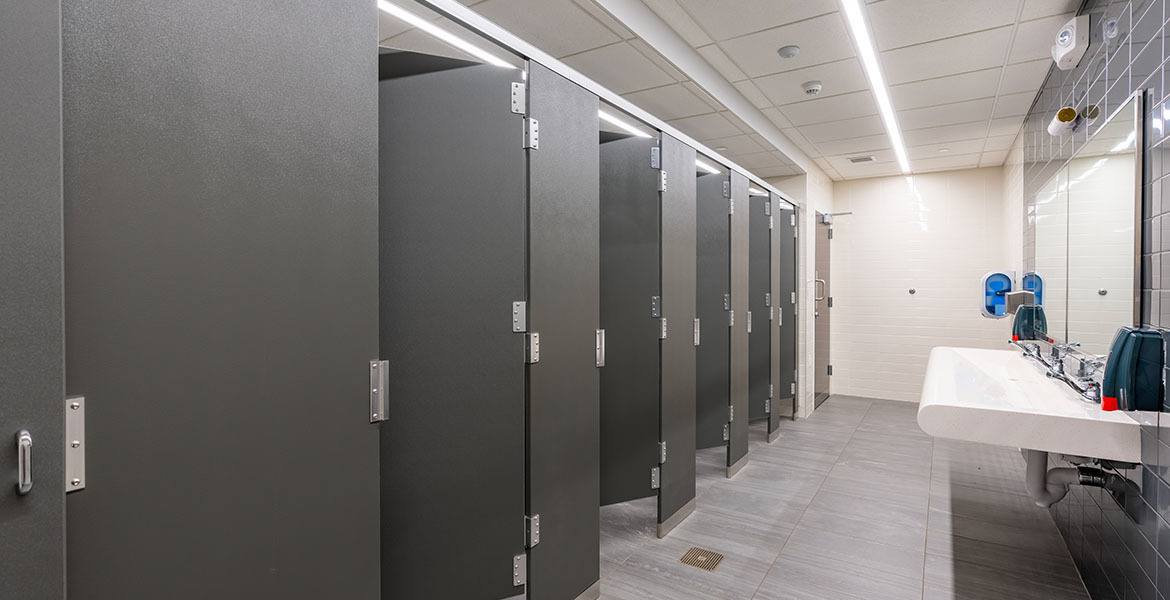
Students who ignore bans and vape on school grounds often look for discrete areas to do so.
Bathrooms are private, secure and free from adult supervision, making them the ideal spot for prohibited activities. Students can easily excuse themselves from class to use the restroom and instead use this time to vape. Many teachers say students known to vape ask to use the restroom more frequently than their non-vaping classmates.
Washrooms and changing rooms are also well-known hotspots for cigarette smoking, but addressing vaping in bathrooms can be uniquely challenging.
E‑cigarette vapor:
- Isn’t constantly emitted from vaping devices
- Doesn’t have a uniform smell
- Is easily masked using body sprays and perfumes
- Has too low a particulate yield to trigger smoke detectors
Addressing vaping in school bathrooms may be difficult, but it is necessary. Vapers aren’t only harming themselves, they could also harm others and expose their peers to harmful second-hand vape smoke and toxic fumes.

Discover the all-in-one vape detector and smart sensor
- Detect vape, smoke, THC and vape masking
- Protect areas with no cameras or audio
- Get alerts of gunshots and aggression
- Monitor changes in air quality
The value of a vape bathroom detector
Vape detectors in school bathrooms excel where traditional smoke detectors struggle. As one of the most effective ways to stop vaping in schools, these sensors are specially designed to detect chemicals and particulate matter unique to e‑cigarette vapor and can notify faculty discreetly with details of incidents to support appropriate responses.
Vape detectors are triggered by specific chemicals only found in vape smoke. Thus, they’re less prone to false alarms than traditional smoke detectors. They also don’t record video or audio, so they can be safely used in private areas like bathrooms where security cameras are prohibited.
Other benefits of using school bathroom vape detectors include:
- Deterrence: Visible vape sensors in school bathrooms show offenders that attempts to vape will be detected and addressed.
- Protection: Non-vaping students no longer need to risk their safety by reporting incidents to teachers.
- Analysis: Activation events can be reviewed to determine when and where offenses occur most often, helping teachers improve their wider preventative measures.
- Security: Many modern vape sensors can also detect things like motion, raised voices and gunshots, and act as school panic buttons, helping to improve on-site security.
Student motivation: a key factor in restoring vape-free bathrooms
Many people are working hard to find new ways to promote a vape-free mentality that will create a healthier school environment. To win this battle, we also need the support of motivated students. Educated students are key components in the fight against the vaping industry and lowering the rates of vaping in schools. Students must be proactive to ensure that their health prevails over bad habits and addiction, as well as improve their school community.
The desired impact of an anti-vaping movement can also depend on who is delivering the message. Many students are more likely to follow the advice of peers or role models within their age demographic instead of adults trying to convey those same messages. Peer-to-peer education is an effective way for adolescents to discuss and counteract problems related to student vaping. By easily communicating these ideas with people of similar age groups and sharing their opinions and experiences, they can save lives and push each other away from vaping.
A right to privacy: vape detectors vs. other safety methods
Concerning the numerous cases of student vaping, another factor that comes into play with the use of vaping detectors on school property is helping students retain their basic privacy with no bathroom aides or guards. Bathrooms would be more private and less stressful if students did not have to be disrupted by vaping activity within enclosed spaces.
Students deserve the right to have a healthy environment to learn, grow and develop, and should not have those chances barred because of student vaping interfering with their health and safety. Many modern vape sensors can also detect other harmful pollutants and toxic chemicals that can negatively impact student health, meaning their use can help improve Indoor Air Quality (IAQ) in schools to create safer, healthier learning environments.
Many students are actively choosing not to use the bathrooms anymore due to vaping in school bathrooms. There is a part of the student population that does not want to be exposed to any secondhand vape smoke. Vaping detectors would allow these students to return to using the restrooms by establishing school bathrooms as safe and private spaces again. This deterrent against vaping in schools would remedy this problem and the entire vape epidemic each school is facing.
Vaping detectors are integral in giving students their bathrooms back. These devices impede students from vaping in school restrooms without getting caught, instilling a sense of safety and privacy for students when using restrooms at school. Ultimately, these vaping detection devices are the best solution for giving students their bathrooms back.
Comparison of vape detectors versus other methods
| Vape detectors | Security cameras | Manual monitoring | Air quality sensors | |
|---|---|---|---|---|
| Real-time detection | ✅ Instant alerts | ❌ Limited to review | ❌ Delayed response | ✅ Possible, but indirect |
| Privacy protection | ✅ No video recording | ❌ Captures footage | ✅ No privacy concerns | ✅ No privacy concerns |
| Accuracy | ✅ Detects vape aerosols | ❌ Can miss incidents | ❌ Human error-prone | ❌ Measures general air quality |
| Automation | ✅ It integrates with alarms | ❌ Requires manual review | ❌ Labor-intensive | ✅ Some automation possible |
| Tamper alerts | ✅ Notifies if tampered | ❌ Can be disabled | ❌ Requires active staff | ❌ No direct tamper detection |
| Cost efficiency | ✅ One-time install, low maintenance | ❌ High installation and monitoring costs | ❌ Requires staff time | ❌ May require frequent calibration |
How schools can effectively implement vape detectors in bathrooms
Installing vape detectors in school bathrooms can help teachers better address vaping issues and create safer environments for students. However, devices must be installed and set up correctly to allow for consistent results and to protect sensors from tampering and vandalism.
Consider the following best practices when installing vape sensors in school bathrooms:
1. Power source availability
School vape detectors need constant power to be effective, so it’s important to ensure installation locations have reliable power sources nearby. Connecting devices to a main power supply is recommended, but adjusting the available wiring infrastructure may require extra work.
If it’s not possible to use a primary power supply, consider installing wireless vape detectors. Some modern devices have independent battery packs. However, they must be inspected and maintained more frequently as their batteries drain over time.
2. How to avoid false positives
While vape sensors are less prone to false positives than traditional smoke detectors, some models can be triggered accidentally by aerosol sprays and steam. Look for devices designed to detect specific chemicals in vape smoke and whose readings tell you what type of stimulus triggered the sensor.
It’s also important to clean sensors every 90 days to prevent dirt, dust and residue buildup and from affecting results. Lastly, install sensors in line with the room’s natural airflow and away from sources of steam (sinks/showers) to improve detection capabilities.
3. Positioning vape sensors strategically
Vape detectors in school bathrooms need to be positioned carefully to be effective. Before installing sensors, identify hotspots like cubicles, cubbyholes and obscured areas where vapers congregate. Then, consider the nearest appropriate space to install a sensor.
Detectors are most effective when installed above target areas and in line with the room’s natural airflow. Make sure vape sensors aren’t installed near windows or fans that could blow smoke away from the inlets and are out of reach of students who might try to tamper with them.
4. Integration possibilities
Vape detectors can be integrated into wider security systems to improve their efficacy and allow for more intelligent responses. For example, sensors can be linked to audible alarms to warn offenders they’ve been caught and help staff respond to events quickly.
Vape detectors in school bathrooms may also be linked to nearby security cameras, allowing for footage to be automatically flagged so staff can see who entered the restroom around that time, as well as nearby access systems to help prevent offenders from fleeing.
5. Leveraging data
Many vape detectors for school bathrooms come with a management system that staff can use to review event logs and associated data. Analyzing this information can help highlight when and where offenses are most likely to happen so staff can make more efficient use of security resources.
Sensor data can also be compared to wider security reports to help staff see which devices are most effective, which have been tampered with and which might have failed to trigger. This information can influence adjustments to positioning and settings to gradually improve sensor systems.

Get your free vape detection guide
Learn how to choose and deploy the right vape detection solution with expert guidance on:
- Key factors for selecting vape detectors
- Step-by-step implementation checklist
- Industry insights and use cases
- Grant funding tips and resources
How Halo Smart Sensors can help schools reclaim their bathrooms
While traditional observation methods such as security cameras and manual supervision play a role in enforcing school policies, implementing advanced integrated solutions can significantly improve the effectiveness of vape detection and prevention. Halo Smart Sensors’ vape detection technology provides a proactive solution for maintaining vape-free restrooms. These sensors can connect to the Halo Cloud, a centralized platform for monitoring, managing and analyzing environmental data in real-time.
Halo Smart Sensors create a comprehensive security system that enhances school restroom safety. By utilizing cutting-edge sensors, these detectors ensure early detection of vaping incidents, allowing school administrators to take swift action and deter future occurrences.
Features of Halo Smart Sensor
- Immediate vape detection: The moment vaping is detected in a restroom, Halo Smart Sensors send instant alerts to school staff, allowing for rapid intervention to discourage repeat offenses and uphold no-vaping policies.
- Protects student privacy: Unlike cameras, which raise concerns about security in private areas, Halo Smart Sensor operates without video or audio recording, ensuring that student restrooms remain a safe and respectful space.
- Effortless system integration: Halo Smart Sensor seamlessly connects with existing school security systems, such as access control and mass notification tools, to enhance restroom coverage without disrupting daily operations.
- Beyond vape detection: Besides identifying vape aerosols, Halo Smart Sensor helps maintain restroom safety by monitoring air quality, detecting chemical tampering and alerting staff to potential health hazards.
By incorporating Halo vape detectors, schools can establish a proactive, technology-driven approach to maintaining vape-free restrooms, protecting students’ health and reinforcing school policies.
The future of vape-free school bathrooms
As greater awareness about the dangers of vaping is brought to the attention of students around the country, teachers and caregivers hope the number of youths who choose to vape will decline.
With support from vape detection technologies and engaging educational programs, the ultimate goal is to create a future where school bathrooms and campuses become smoke- and vape-free.
The state of youth vaping in 2026
While youth vaping in America continues to be a serious issue, positivity can be drawn from data revealing a significant decline in e‑cigarette use in recent years. In 2022, more than 2.5 million U.S. students were using e‑cigarettes, with sales of vaping devices rising by 43% between 2020 to 2023.
More recent figures published in 2024 suggest around 1.6 million young people use e‑cigarettes regularly, highlighting the positive impact anti-vaping efforts can have on youth health.
While it’s difficult to pinpoint which exact measures have had the most impact, some motions and movements are worth highlighting. For example, the several lawsuits brought against the vape producer Juul in 2019 coincide with a notable decline in youth vaping since its peak in that year.
With settlement funds from the aforementioned lawsuits frequently used to fund school vape detection systems and anti-vaping support measures, a combination of improved awareness and greater detection capabilities is likely key to the future of vape-free school bathrooms.
How to fund vape detectors in school bathrooms
Vape sensors offer a reliable and effective way to deter and address vaping in school bathrooms, but developing new systems can be expensive. As briefly mentioned earlier, events like the Juul class action lawsuit have granted funding opportunities to schools that want to build vape sensor systems, but this is far from the only funding avenue available.
In recent years, many state and federal vape detector grants have been offered to schools across the U.S., along with school safety grants earmarked for funding vape detection solutions.
New government and charitable grant programs are announced annually. Schools who wish to explore such opportunities can contact charities and government agencies directly or search for relevant awards using tools like:
Deter and address vaping in school bathrooms with vape detectors
The youth vaping epidemic has been of serious concern to teachers, parents and caregivers for many years, negatively impacting student health and learning opportunities nationwide. In recent years, the number of school-aged children addicted to nicotine products has started to decline, thanks in part to the widespread adoption of vape detection technologies and sensor systems.
Vape detectors are ideal for deterring and addressing vaping in hotspots like school bathrooms where traditional security measures are prohibited. Modern vape detectors can automatically warn staff of vaping incidents, act as a visible deterrent and even activate wider security systems to help address issues promptly.
Schools interested in developing vape detection systems for bathrooms and other high-risk areas can often apply for funding support through charitable and government grant programs.
Have questions? We can help
Our video security experts can help you implement the right security system for your business.