Security system design: 5 steps for strengthening facility protection


Trusted by 100,000+ organizations globally
In recent years, almost 90% of U.S. businesses have experienced a rise in physical security threats, with outdated and unpatched building security systems often contributing to worse outcomes.
Building security system design, a practice that sees stakeholders factor the unique needs of a facility into the deployment of security infrastructure, can help site managers and security teams implement protective measures purpose-built to address site-specific security threats.
What is security system design?
Security system design is the process of strategically planning how a security system will be implemented into a building. Effective physical security begins with a strong design that accounts for the unique ways people move through and interact with physical infrastructure.
By creating bespoke, layered protections that work together to deter threats, ensure smooth transit through the facility and subtly guide guests into easily observed areas, site managers and security personnel can position themselves to better-identify and address security risks.
Why is it important?
Designing security systems to consider the unique layout and purpose of a facility plays an important role, as it helps ensure that security technologies and protocols work in harmony.
Without a clear physical security design plan, site operators risk blind spots and vulnerabilities being exposed to attackers. Effective building security helps deter and lessen the impact of threats by introducing layered, cooperative protections.
Poor building security system design can introduce risks concerning:
- Inefficient management: Limited integration between security solutions makes it difficult to manage risks and identify subtle issues in independent systems.
- Exploits and blind spots: Security solutions like building access control and video security systems could be exploited by attackers if they’re not built to account for the site’s layout.
- Poor visitor experience: Incoherent physical security design and outdated security solutions can introduce frustrating inefficiencies that influence visitors to break rules.
- Increased staff workload: Inspection and maintenance tasks become much more challenging and time-consuming when systems work independently.
- Compliance management: It’s difficult to ensure compliance with privacy and safety regulations in areas where poor security system design introduces blind spots.

Download our free commercial security guide and checklist
- Learn about emerging security threats
- Get expert-curated insights you can leverage
- Explore tailored solutions and strategies
- A complete itemized security checklist
What’s included in a successful building security design?
A successful security system design will make use of layered smart building solutions that work together to deter, prevent and address security threats. To effectively safeguard people and property, security systems must complement the unique structure and operation of a facility, not designed as an afterthought and retroactively adjusted to meet site-specific needs.
When designing a security system, site managers must consider how distinct elements can work together to enhance wider operations and cover weaknesses. From a visitor’s point of view, security systems should gently guide them through the property, naturally divert them away from high-risk spaces and the site should allow for streamlined and convenient transit.
Essential elements to cover in a successful physical security system design include:
- Access control: Measures, including perimeter fences, environmental barriers and electronic access systems, must be deployed synergistically to form a layered defense around the site and offer varying levels of access inside the property.
- Video security: Security cameras positioned to cover critical areas like access points, reception desks and high-risk assets enable security personnel to investigate anomalies detected by wider systems and visually verify suspected threats.
- Sensors and alarms: Smart sensors and alarms are a key component of effective building security design, as they provide security teams with real-time insight into emerging threats and help to deter criminality by the visual presence of security measures.
- Communications systems: Security teams and wider employees must have secure channels they can use to communicate threats and coordinate responses; in addition, systems like intercoms enable staff to speak with guests securely.
- Management platforms: Provisions must be made to ensure security personnel can access and adjust security systems both on and off-site. Effective security system design will incorporate building management plans, such as on-site control rooms and remote-accessible digital platforms.
How to design a security system for your facility in 5 steps
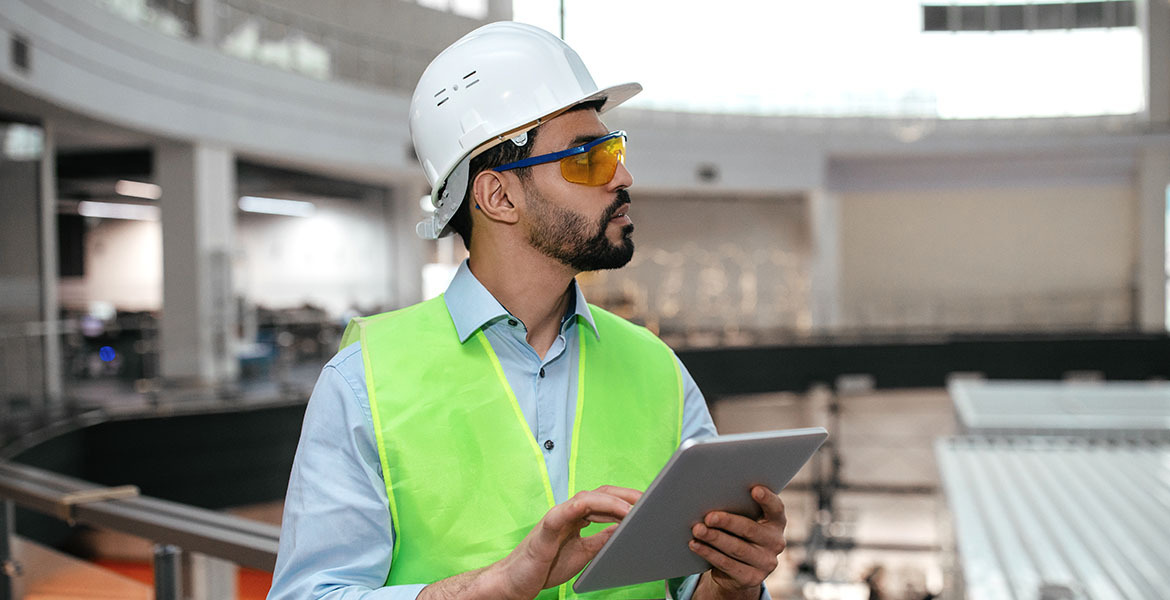
A structured method for security system design allows site operators to customize all essential components for specific requirements. By following the five-step guide below, you can create a layered, versatile and easily managed security system.
1. Perform a risk assessment and security audit
In order to develop an effective security system, stakeholders must know exactly what types of threats the site needs to be secured against. Before designing a security system for your facility, walk through the entire site with security leaders to identify critical assets and threats.
A thorough building security risk assessment and audit will include the following steps:
- Define objectives: Define the needs and scope of your buildings security system’s design by establishing what needs to be protected, e.g., people, property and sensitive data.
- Identify critical assets: Determine where advanced protections will be required by identifying critical assets like on-site servers, cash boxes and high-value equipment.
- Analyze threats: Consult historic incident logs, local crime records and other forms of security information to identify the threats your site is exposed to.
- Assess vulnerabilities: Test existing security controls and technologies to identify current vulnerabilities and determine top priorities for your system’s design.
2. Strengthen perimeter protection
With the findings of your risk assessment in mind, effective security system design starts with efforts to strengthen perimeter defense. Ensure fences and physical barriers are installed around the entire property and identify areas for public and private access points.
Video security cameras installed along fences should be considered, helping ensure constant visibility over the entire perimeter. Effective CCTV system design will include elements like motion-activated lighting and signage to complement and warn intruders of CCTV operations.
IoT sensors and alarms can also be deployed to help improve perimeter security. Smart motion and sound sensors installed along perimeter walls can be connected to cameras and alarms to help identify intruders, with automations programmed to flag footage and inform operators.
3. Implement a layered access control strategy
A layered access control design will provide authorized individuals smooth access to appropriate areas while deterring intruders. Depending on the needs of the facility, external access points may be secured using intercoms, key card systems or manned security gates.
Environmental access control concepts like well-placed walkways and planters can guide visitors through easily observed areas towards reception desks. Reception workers may use visitor management solutions to screen and grant temporary access to guests.
Smart facility security design will apply clearance levels to internal areas. Communal spaces may be secured using convenient access controls like key card or mobile credential readers, with advanced, multi-factor credentials, such as biometric identifiers, used to secure high-risk areas.
4. Improve visibility using video security
A comprehensive video security system can help to harmonize wider elements of security system design by ensuring holistic visibility over key areas and assets. Creating an effective solution begins with identifying appropriate CCTV camera types. Models to consider include:
- Bullet cameras capture clear footage at long-range with a narrow field-of-view. They’re well-suited for perimeter security and observing expansive, open areas.
- Dome cameras capture clear footage at short-range with a wide field-of-view. They’re well-suited for observing closed indoor areas like offices and stockrooms.
- PTZ cameras have built-in pan, tilt and zoom functions that can be adjusted manually or automatically to follow objects of interest across open areas.
IP security cameras can be integrated into wider systems to support smart automation. For example, integrations with access readers can enable cameras to automatically flag footage of suspicious access events and sensors can be used to instantly trigger recording functions.
Building security design can be improved by leveraging AI video analytics software to identify potential threats. AI-powered cameras can autonomously detect and warn operators of threats such as acts of violence, moved assets and loiterers in specified zones.
5. Consider management and communication requirements
Implementing intuitive, accessible management and communication systems is the final key element of effective security system design. Site managers and security teams must be able to view security feeds, adjust active systems and communicate insights efficiently.
Core solutions like access control, video security, sensor and alarm systems can integrate into a centralized management platform from which operators can view, adjust and control active devices. High-risk sites may operate management platforms from on-premise servers to limit cybersecurity risks. Opting for a cloud-based solution can allow for 24/7 remote management.
Communications considerations include measures like configuring SMS and email alerts for triggered alarms and sensors, as well as developing secure radio systems for on-site teams. Where possible, comms data should be encrypted and secured using digital access controls.

Create safer workplaces with smart security
- Gain real-time situational awareness
- Manage access and video from one platform
- Respond to threats with speed and accuracy
- Adapt security as your business expands
Further considerations for building security system design
Alongside the guide above, site managers and security teams should consider a few wider factors when designing security systems for modern facilities. To help ensure proposed solutions work effectively, the below considerations must be planned around.
- Network capacity: A strong, reliable and secure network connection will be required to ensure data passes between critical systems. Conduct a capacity assessment, factoring in all planned security devices, when developing security system design plans.
- Scalability: Organizational and infrastructural needs may change in line with business growth. When designing a security system, consider how new components will be added over time and whether steps can be taken to mitigate purchase and labor costs.
- Power management: Modern physical security design is often reliant on the continuous operation of electronic devices. To help ensure sites remain secure 24/7, plans must be made to combat power outages using backup generators and fail-secure infrastructure.
- Cybersecurity: Around 60% of businesses have suffered a successful cyber-attack in recent years. Effective security system design will include plans to protect networked solutions against cyber threats using cybersecurity software and operational protocols.
- Staff training: Data suggests 80% of security incidents involve an element of human error. Security systems can only be leveraged effectively if people know how to navigate them safely. Therefore, staff training must be factored into building security design.
Protect your facility with a future-proof security system
To effectively combat complex modern threats, security systems must be designed around the unique requirements of your facility. By adopting key design principles, operators can optimize infrastructure to best-address site-specific security threats.
When carefully planned organizational measures are combined with intuitive, interconnected security technologies, facility managers and security teams are empowered to better prevent and address threats, as well as pursue continuous, impactful physical security improvements.
FAQs
Have questions? We can help
Our video security experts can help you implement the right security system for your business.